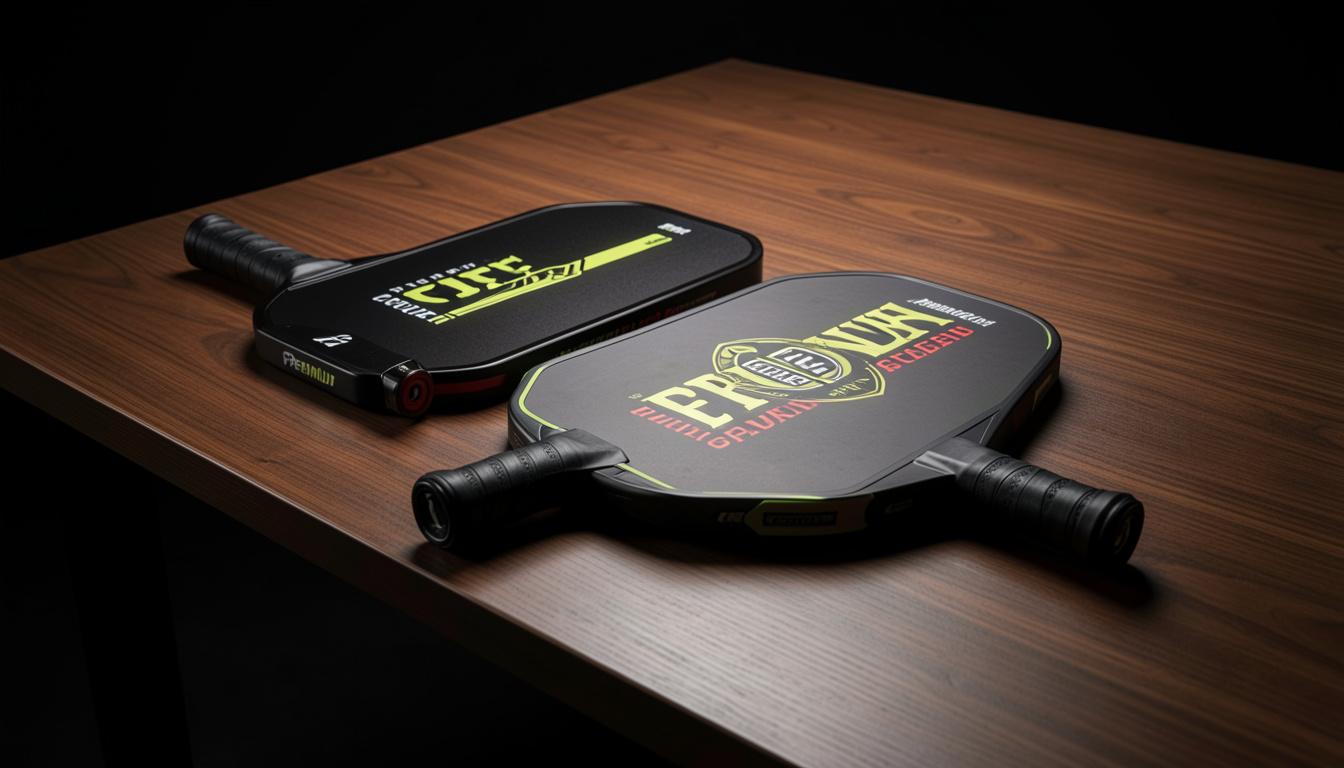
Finding the best pickleball paddles can feel like a tricky puzzle. Many players struggle to hit soft dinks or powerful drives consistently. You might spend money on a paddle that feels too heavy or stiff. That makes learning the sport much harder than it needs to be. Picking the right gear changes everything on the court. It gives you confidence during every fast rally with your friends.
I have spent years testing gear on public courts and in tournaments. I know how much a good gear upgrade helps your overall game. The best pickleball paddles offer a nice sweet spot and soft grip. They help you place the ball right where your opponent cannot reach it. In this guide, we break down top paddle options using clear tests and real court experience. You will quickly learn how to choose gear that fits your style.
Table of Contents
Quick Comparison Table of Top Gear
| Feature | Control Model | Power Model | Budget Model | Spin Model |
| Core Thickness | 16 millimeter | 13 millimeter | 14 millimeter | 16 millimeter |
| Face Material | Raw Carbon | Fiberglass | Composite | Carbon Fiber |
| Average Weight | 8.0 ounces | 8.2 ounces | 7.8 ounces | 7.9 ounces |
| Skill Level | All Levels | Intermediate | Beginner | Advanced |
| Best For | Soft Touch | Fast Hits | Value | Ball Spin |
What Makes a Great Pickleball Paddle?
The inner core material changes how the ball bounces off your paddle face. Polypropylene honeycomb cores absorb heavy shock very well. They give you amazing control when soft kitchen shots matter most. Strong carbon fiber faces create extra friction on every stroke. That friction lets you put massive spin on your serves and deep drives. A thicker core gives you a smooth and soft feel during long games.
Weight is another critical factor when shopping for gear. Lightweight paddles let your wrist move super fast near the kitchen line. Heavy gear gives you extra natural pop without swinging extra hard. Medium weight gear offers a balanced mix of speed and power for everyone. Finding your ideal weight keeps your arm fresh during long weekend tournaments.
How Weight Changes Your Court Strategy
Lightweight gear usually weighs under 7.7 ounces. It helps beginners react quickly to fast hard shots at the net. You will not get tired arms after playing three games in a row. However, lighter paddles require you to swing harder for deep baseline drives. You must generate your own power on every shot across the net.
Heavy paddles weigh over 8.2 ounces and pack serious power. They smash balls past opponents with very little physical effort from your arm. However, heavy gear can slow down your hands during fast kitchen exchanges. Many players also feel extra wrist strain after long matches. Midweight gear around 8.0 ounces remains the safest choice for most active players today.
Core Thickness Explained Simply
Paddle core thickness usually ranges from 13 millimeters to 16 millimeters. Thin cores act like a hard spring when the ball hits them. They launch the ball across the court with high speed and pop. If you love aggressive play, a thinner core suits your style best. However, thin cores have smaller sweet spots that punish off-center hits.
Thicker cores around 16 millimeters absorb extra energy upon impact. They feel soft and stable when you block heavy opponent smashes. This extra dampening helps you land delicate drop shots with high accuracy. Most pro players prefer thicker cores for total control over every point. Choosing thick cores makes soft dinking much easier for developing players.
Face Materials: Carbon Fiber vs. Fiberglass
Raw carbon fiber is the gold standard for modern paddle faces. It has a textured surface that grips the ball for maximum spin. Carbon fiber faces also last a very long time without wearing out. They offer a muted feel that helps control hard incoming shots easily. Choosing carbon fiber helps you hit precise spin shots with total confidence.
Fiberglass faces are bouncier and provide extra natural pop. They help players who struggle to hit deep shots past the baseline. Fiberglass is also more affordable, making it great for budget-friendly gear. However, fiberglass surfaces wear out faster than durable carbon fiber materials. Knowing this difference helps you spend your equipment budget wisely.
Finding the Best Pickleball Paddles for Beginners
Beginners need gear that is very forgiving on accidental off-center hits. The best pickleball paddles for new players feature wide heads and large sweet spots. A wide shape gives you a bigger hit area so you miss fewer balls. Look for midweight options with soft handles that reduce vibration in your hand.
You do not need to spend top dollar on your very first paddle setup. Affordable starter paddles offer plenty of control while you learn basic court rules. Focus on building good habits and soft dinks before buying expensive pro gear. Once your hand-eye coordination improves, you can upgrade to specialized advanced paddles.
Top Picks for Intermediate Players
Intermediate players need gear that balances soft control with put-away power. You want a paddle that dinks gently but still smashes open pop-ups easily. Hybrid shapes with 16-millimeter cores fit this dynamic playing style perfectly. They give you extra reach at the net without sacrificing a wide sweet spot.
Upgrading to raw carbon surfaces helps intermediates add spin to serves and drives. Adding topspin keeps your hard shots inside the court lines more consistently. A quality mid-range paddle helps you transition from basic play to competitive tournament games. It gives you the technical edge needed to beat tougher opponents regularly.
Advanced Paddles for Maximum Spin and Power
Advanced players demand extreme performance from their equipment on every single point. They look for thermoformed carbon paddles built with edge foam perimeter lining. This special construction expands the sweet spot while adding incredible shot stability. The textured face lets skilled players shape shots with massive topspin or sidespin.
These high-end paddles require good technique to control their raw pop. If your mechanics are solid, elite gear unlocks higher ball speed on drives. You can attack low balls from the transition zone with great accuracy. Investing in top-tier gear gives competitive players a clear edge in match play.
Handle Length and Grip Size Basics
Handle length impacts how much leverage you get on every swing. Standard handles measure around 5 inches long and feel very comfortable. Longer handles around 5.5 inches leave room for two-handed backhand shots. Two-handed backhands give you extra stability when blocking hard drives at the kitchen line.
Grip circumference also plays a huge role in hand comfort and safety. A grip that is too big causes hand fatigue and slips easily. A grip that is too small forces you to squeeze too hard. Measure your hand properly or test different grip wraps before buying your paddle.
How to Care for Your Equipment
Taking care of your gear extends its lifespan by many months. Store your paddle inside a protective cover when you leave the court. Extreme heat inside a hot car trunk can warp plastic cores over time. Keep your gear in cool indoor areas to preserve its solid build.
Clean raw carbon surfaces regularly using a rubber paddle eraser. Erasers lift ball dust out of the tiny carbon grooves easily. This simple step restores friction so your paddle keeps spinning balls like new. Never use harsh chemical sprays or water directly on your paddle face.
Frequently Asked Questions
What is the ideal paddle weight for beginners?
A midweight paddle weighing between 7.8 and 8.2 ounces is ideal. It offers a great mix of fast hand speed and easy shot power.
How long does a quality paddle usually last?
With regular play three times a week, a good paddle lasts one to two years. Replacing your grip wrap keeps it feeling fresh much longer.
Why do some paddles cost over two hundred dollars?
Premium paddles use advanced raw carbon fiber and thermoformed edge foam. These high-end materials provide superior durability, massive spin, and bigger sweet spots.
Is a thicker core better for control?
Yes, a 16-millimeter core absorbs ball impact and reduces paddle vibration. This soft feel gives you better control over short dinks and drops.
Can I use my indoor paddle on outdoor courts?
Yes, paddles work on both indoor and outdoor court surfaces. However, rough outdoor balls will wear down face texture slightly faster over time.
How do I know if my grip size is correct?
When holding your paddle, you should fit one finger between your fingertips and palm. If the gap is too small, add an overgrip tape.
Final Thoughts on Choosing Your Gear
Finding the best pickleball paddles comes down to your personal playing style and goals. Focus on core thickness, overall weight, and face materials before making your final choice. Remember that a larger sweet spot helps you make fewer unforced errors during games. Proper gear gives you the confidence to enjoy every match to the fullest. Take your time, test different models, and enjoy your time on the court!