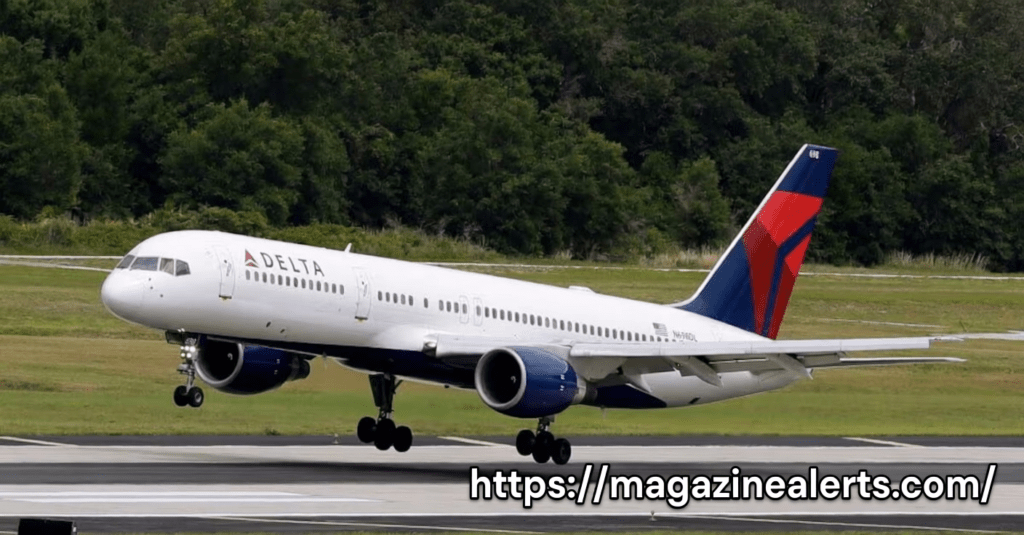
Air travel can feel scary when something goes wrong mid-flight. That is exactly what happened when Delta flight DL357 diverted due to an engine failure on its way from Honolulu to Salt Lake City. The Boeing 767-300ER was cruising at 35,000 feet when the crew noticed a serious problem. One of the two engines began losing oil pressure. The pilots acted fast and made a smart choice. They decided to land the plane safely instead of taking any chances. This article walks you through the full story. You will learn why Delta flight DL357 diverted due to an engine failure, how the crew responded, and what happened to the passengers onboard. We will also cover Delta’s safety record and answer common questions people are asking about this event.
Table of Contents
ALSO READ MORE : Flying United Airlines? Everything You Need to Know About Safety, TVs, and Customer Service
What Happened to Delta Flight DL357?
Delta flight DL357 diverted due to an engine failure early on November 19, 2025. The flight had left Honolulu the night before, heading to Salt Lake City. It was a long overnight trip, often called a redeye flight. Everything seemed normal until the crew got an alert. Their screens showed low oil pressure in the plane’s right-side engine, known as the number two engine. This kind of warning tells pilots something is wrong deep inside the engine. Rather than wait and see, the flight crew followed strict training rules. They shut the engine down to prevent further damage. Then they picked the nearest safe airport for landing. Los Angeles International Airport, or LAX, was the best choice. It is a major Delta hub with long runways and full repair support. The safe choice protected everyone onboard that night.
Why Did the Engine Lose Oil Pressure?
Understanding why Delta flight DL357 diverted due to an engine failure starts with the engine itself. The aircraft used PW4000 engines made by Pratt and Whitney. These engines need steady oil flow to keep moving parts cool and lubricated. When oil pressure drops too low, metal parts can rub together and overheat. This can cause serious damage if the engine keeps running. The cockpit system, called EICAS, warned the pilots right away. EICAS stands for Engine Indicating and Crew Alerting System. It watches engine health every second of the flight. Once the warning appeared, the crew followed a strict checklist. This checklist told them exactly what steps to take. Shutting down the engine was the safest move. Modern jets like the 767 can fly safely on just one engine. This safety feature made the whole situation much less dangerous than it may sound.
Declaring an Emergency: Squawk 7700 Explained
When Delta flight DL357 diverted due to an engine failure, the crew used a special code. They set their radio transponder to squawk 7700. This code tells air traffic control there is a general emergency onboard. It is not only used for engine trouble. Pilots use it for medical issues, fuel problems, or any serious concern. Once controllers see squawk 7700, they clear the airspace around that plane. Other flights get moved out of the way. This gives the troubled aircraft priority for landing. It also alerts airport fire crews to get ready. Squawking 7700 is a normal safety step, not a sign of panic. Pilots train for this exact situation many times during their careers. The calm, practiced response from the DL357 crew shows just how well that training works in real life.
The Emergency Landing at LAX
After declaring the emergency, the crew guided the plane toward LAX. Delta flight DL357 diverted due to an engine failure and landed on Runway 7R at around 6:26 in the morning. Landing on one engine takes extra skill. Pilots must adjust speed and control carefully to keep the plane balanced. The crew handled this landing without any major issues. As soon as the wheels touched down, airport fire trucks were already waiting nearby. Firefighters checked the plane closely for smoke, sparks, or fluid leaks. This is a standard step after any emergency landing. Once cleared, the aircraft taxied to the gate under its own power. No injuries were reported among the passengers or crew. That is the best possible outcome after a scary night in the sky. The successful landing proved that safety systems and pilot training truly work when it matters most.
Delta Flight DL357 Details Table
Here is a simple table showing the key facts about this event. It gives you the full picture at a glance.
| Detail | Information |
|---|---|
| Flight Number | Delta DL357 |
| Aircraft Type | Boeing 767-300ER |
| Aircraft Tail Number | N190DN |
| Route | Honolulu (HNL) to Salt Lake City (SLC) |
| Diversion Airport | Los Angeles International Airport (LAX) |
| Date of Incident | November 18 to 19, 2025 |
| Cause | Low oil pressure in the number two engine |
| Emergency Code Used | Squawk 7700 |
| Passengers Onboard | 212 |
| Crew Onboard | 2 pilots and 6 flight attendants |
| Injuries Reported | None |
| Landing Runway | Runway 7R at LAX |
| Landing Time | Around 6:26 AM local time |
| Replacement Aircraft | Airbus A319-100 |
Passenger Experience During the Diversion
Passengers on this flight likely felt confused and worried at first. When Delta flight DL357 diverted due to an engine failure, the cabin crew stepped in right away. Flight attendants are trained for exactly these moments. They calmly explained the situation and prepared everyone for landing. Passengers were told to follow safety instructions closely. Many people later shared that the crew stayed calm and professional the whole time. That calmness helps reduce fear during a stressful event. After landing safely at LAX, passengers were moved off the plane. Delta staff worked quickly to find them new travel plans. Nobody wants a delay, but safety always comes first. This kind of quick, caring response builds trust between airlines and travelers. It shows that behind every flight, there is a team ready to protect you.
ALSO READ MORE : From The Bronx to Millions: How Streamer fanum net worth Built His Massive
How Delta Handled the Aftermath
Delta did not leave passengers stranded in Los Angeles. Since Delta flight DL357 diverted due to an engine failure, the airline needed a fast backup plan. They sent an Airbus A319-100 from Los Angeles to finish the trip to Salt Lake City. This replacement plane still used the same flight number, DL357. It departed about six hours after the original landing. That gap gave Delta time to inspect the damaged aircraft and rebook everyone. A Delta spokesperson later apologized for the delay and thanked passengers for their patience. The company also confirmed that safety guided every decision that morning. This kind of quick response shows strong airline planning. Even when something breaks unexpectedly, having a backup ready makes a big difference. Passengers reached their final destination a bit later than planned, but they arrived safely, which matters most.
Delta’s Recent History With Engine Issues
This was not Delta’s only engine trouble in 2025. Just one month earlier, a Delta Boeing 737-900ER had an engine failure during takeoff in Minneapolis. That crew stopped the plane safely on the runway. Earlier in the year, another Delta 767 also had engine trouble on a Hawaii route and returned safely to its starting airport. These events are separate and involve different planes. However, they show a pattern worth watching. Delta operates almost 1,000 aircraft, making it one of the largest airlines in the world. With that many planes flying daily, occasional mechanical problems are expected. What matters most is how the airline responds each time. So far, every recent Delta engine issue in 2025 has ended without injury. That safety record deserves credit, even as engineers keep reviewing what causes these problems across the fleet.

Why Diversions Like This Keep Passengers Safe
Some people hear the word “diverted” and assume something went terribly wrong. In truth, a diversion is often the safest choice a pilot can make. When Delta flight DL357 diverted due to an engine failure, that decision protected everyone onboard. Airplanes are built with backup systems for almost everything. Two-engine jets like the 767 can fly and land using just one engine. Choosing to land early, rather than pushing forward, reduces risk. Pilots would rather deal with a problem on the ground than in the air. Airports like LAX have full repair crews, medical teams, and long runways ready for emergencies. This makes diversions a smart safety tool, not a failure. Understanding this can help nervous flyers feel calmer. Diversions are proof that the system is working exactly the way it should.
Lessons From the Delta Flight DL357 Engine Failure
Every aviation incident teaches the industry something new. Engineers will study why Delta flight DL357 diverted due to an engine failure to prevent future problems. They will look closely at engine maintenance records and parts wear. The goal is to catch small issues before they turn into bigger ones. Airlines constantly update their inspection schedules based on real events like this one. Pilots also review these cases during ongoing training. Learning from real emergencies helps crews react even faster next time. This cycle of review and improvement is part of why flying remains one of the safest ways to travel. Every incident, even a minor one, adds to a huge safety database. That data protects millions of future passengers around the world.
What This Means for Future Delta Flights
Looking ahead, Delta will keep flying the same Honolulu to Salt Lake City route daily. The plane involved, tail number N190DN, went through inspection and repair after the event. Once cleared, it returned to normal service. Delta has stated that safety remains its top priority across every flight. Passengers booking this route in the future should not worry about repeat problems. Airlines like Delta run strict maintenance checks on every aircraft, especially after any emergency. The fact that Delta flight DL357 diverted due to an engine failure without any injuries shows the system worked as designed. Trust in air travel comes from moments like this. When crews handle problems calmly and safely, it proves the entire safety network, from pilots to mechanics, is doing its job well.
Frequently Asked Questions
Why did Delta flight DL357 divert?
Delta flight DL357 diverted due to an engine failure caused by low oil pressure in the number two engine. The crew shut the engine down and landed safely at LAX as a precaution.
Were there any injuries on Delta flight DL357?
No injuries were reported. All 212 passengers and 8 crew members landed safely at Los Angeles International Airport without harm.
What type of plane was flying as DL357?
The aircraft was a Boeing 767-300ER, a widebody jet commonly used by Delta for long overnight routes like Honolulu to Salt Lake City.
What does squawking 7700 mean?
Squawk 7700 is a transponder code pilots use to alert air traffic control of a general emergency. It gives the aircraft priority for landing and clears surrounding airspace.
How did passengers get to Salt Lake City after the diversion?
Delta sent a replacement Airbus A319-100 from Los Angeles about six hours later. It carried passengers the rest of the way to Salt Lake City under the same flight number.
Is it safe to fly on a plane with one working engine?
Yes. Commercial jets like the Boeing 767 are designed and tested to fly safely on a single engine. This safety feature allows pilots to land without danger during engine issues.
Final Thoughts
The story of Delta flight DL357 diverted due to an engine failure is really a story about safety working correctly. A mechanical warning appeared, trained pilots responded calmly, and everyone landed without injury. That is the outcome every airline works hard to achieve. If you are planning to fly soon, remember that diversions like this one are built-in safety measures, not failures. Airlines and crews train for exactly these moments. Have questions about flight safety or want to share your own flying experience? Drop a comment below and join the conversation about what keeps air travel so safe today.